

The psychology of gambling: Why we play in casinos
The allure of risk-taking
The thrill of risk-taking is a significant factor in why people are drawn to casinos. The uncertainty associated with gambling produces a rush of adrenaline that can be exhilarating. This sense of risk allows individuals to feel alive, awakening their senses and stimulating their minds. Many gamblers are motivated by the hope of winning, but the very act of playing, with its unpredictable outcomes, is electrifying in itself. Players who explore platforms like 1win experience the excitement of not knowing if the next spin or hand will yield a win, creating a captivating atmosphere that keeps them engaged.
Moreover, risk-taking is often linked to personality traits such as sensation-seeking. Those who exhibit high levels of sensation-seeking tend to seek out experiences that provide excitement and novelty. In casinos, every spin of the slot machine or deal of the cards presents an opportunity for unexpected outcomes. This unpredictability keeps players engaged, as they never quite know what the next moment will bring. The environment of a casino fosters a culture of risk that appeals strongly to those seeking thrills, making it a prime destination for adventurous spirits.
It’s also essential to consider the psychology behind loss aversion and the desire to reclaim losses. Gamblers often feel compelled to play again to retrieve what they’ve lost, leading to a cycle of repeated gambling. This can create a powerful incentive to keep playing, as individuals might believe that their luck will turn around if they just try one more time. The combination of exhilarating risk and the possibility of recovering losses forms a potent motivation for many, making casinos an enticing option for those seeking to conquer their previous misfortunes.
The social aspect of gambling
Gambling is not merely an individual endeavor; it often thrives on social interactions. Many people are drawn to casinos to enjoy the communal experience of gaming with others. This social aspect can inspire camaraderie among players who share in the excitement, whether through cheering for a winning hand at a blackjack table or celebrating a jackpot on a slot machine. These interactions can enhance the gambling experience, making it more enjoyable and memorable. The social dynamics present in casinos create a sense of belonging, as individuals connect over shared thrills.
Furthermore, many casinos are designed to foster socialization, featuring bars, restaurants, and entertainment venues that encourage patrons to relax and connect. These environments create an atmosphere where players can bond over shared experiences, further enhancing the appeal of gambling. With a mix of entertainment, socialization, and friendly competition, casinos provide a unique venue that encourages individuals to engage with others, fostering lasting connections and memories. This social interaction is not only entertaining but also contributes to players’ emotional well-being.

The social context of gambling can also influence betting behavior. Players may feel compelled to wager larger amounts when in groups, motivated by the need to maintain a sense of status or excitement. This dynamic can lead to heightened competitiveness and an urgency to partake in games, making the casino experience even more thrilling. As individuals navigate both their own betting patterns and those of others, the social pressure can amplify their enjoyment and engagement, further explaining the allure of casinos as social hubs.
The brain’s response to gambling
The excitement of gambling is closely linked to brain chemistry and neurological responses. When engaging in gambling activities, the brain releases dopamine, a neurotransmitter associated with pleasure and reward. This release creates feelings of euphoria, reinforcing the desire to continue gambling. Understanding the neurological basis of these reactions elucidates why many individuals find it difficult to resist the allure of casinos. The anticipation of winning can trigger a cascade of pleasurable feelings, making it almost addictive for some players.
Additionally, studies have shown that the brain’s response can sometimes blur the lines between winning and losing. Even when players lose, the excitement of the game can lead to a release of dopamine, creating a feeling of satisfaction despite unfavorable outcomes. This paradox can keep players returning to the casino, as the thrill of potential wins often overshadows the reality of losses. In this way, the brain’s response to gambling can perpetuate a cycle of behavior that is hard to break, as the desire for that dopamine rush drives individuals back to the gaming floor.
Research has also indicated that some individuals may possess a higher predisposition to gambling addiction due to genetic or psychological factors. For these individuals, the brain’s sensitivity to rewards can enhance their attraction to gambling. The thrill of winning can become an overwhelming drive, incentivizing continued play even in the face of negative consequences. Understanding these brain mechanics is essential for grasping the complexity of gambling behavior, shedding light on why some individuals find it challenging to control their gambling impulses.
The impact of environment and design
The design of casinos plays a crucial role in the psychological experience of gambling. From the moment players step inside, they are enveloped in an environment crafted to stimulate their senses and encourage prolonged engagement. Soft lighting, vibrant colors, and enticing sounds create a sensory-rich atmosphere that captivates visitors and keeps them immersed in gameplay. This careful consideration of design can significantly influence how long individuals choose to stay and play, as the ambiance is specifically tailored to draw them deeper into the experience.
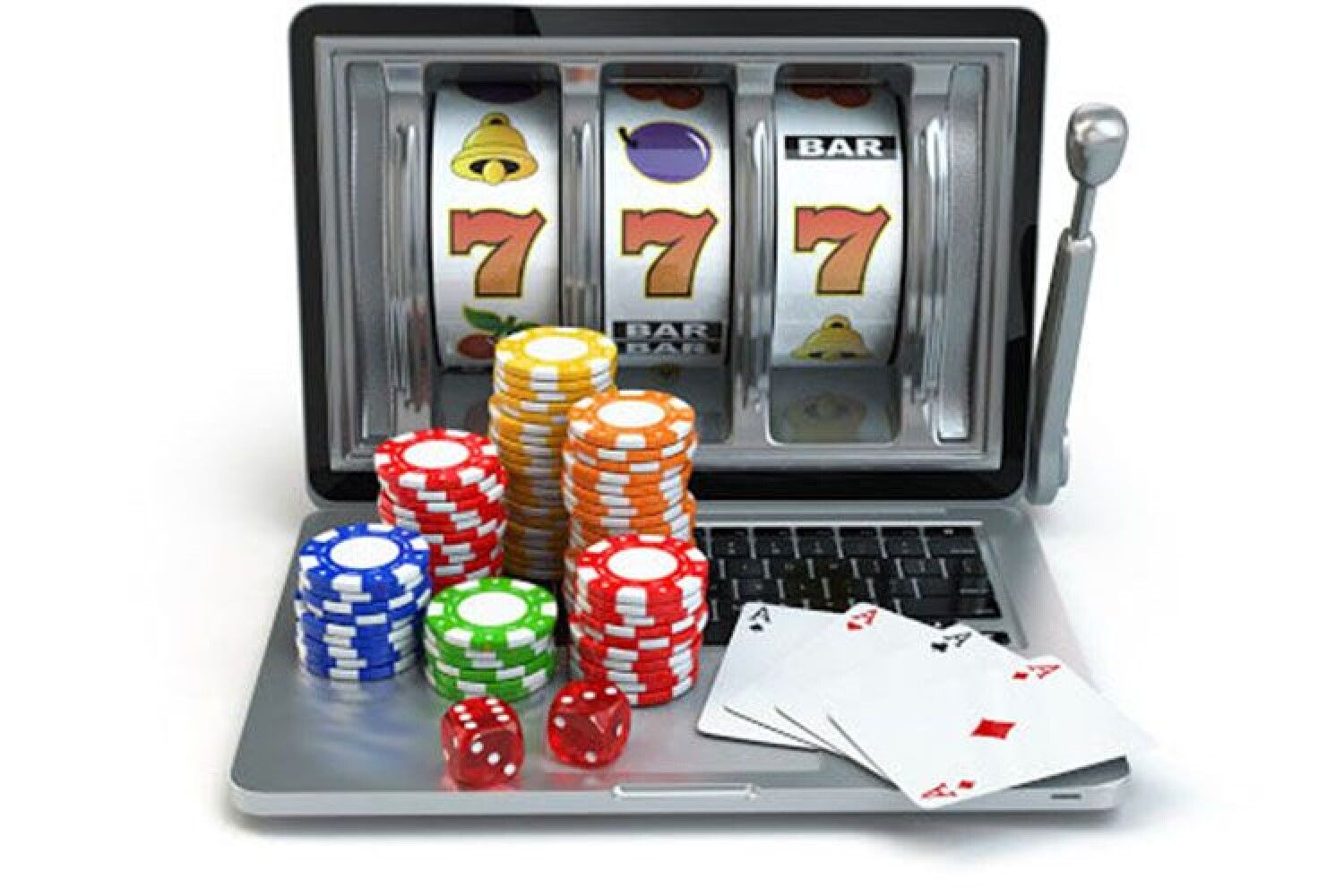
Moreover, casinos often manipulate spatial layouts to optimize player engagement. For example, slot machines are typically arranged in clusters, making it easy for players to transition from one machine to another without losing momentum. This design facilitates a continual flow of play, as players are less likely to take breaks when the environment promotes a seamless gaming experience. By manipulating these environmental factors, casinos can effectively encourage players to extend their time on the gaming floor, thereby increasing their potential for spending.
The strategic placement of amenities, such as food and beverage services, further enhances the gaming experience by ensuring that players remain comfortable and entertained without leaving the casino. This creates an environment that encourages players not just to gamble but to indulge in a complete entertainment experience. The psychological impact of such design elements cannot be understated, as they actively shape player behavior and decision-making within the casino setting, making it a carefully curated playground for adults.
Understanding responsible gaming
Understanding the psychology behind gambling behaviors is essential for promoting responsible gaming. While many individuals enjoy gambling as a form of entertainment, it is crucial to recognize when enjoyment crosses into problematic territory. Awareness and education about the risks associated with gambling are vital for helping players make informed decisions. By fostering an understanding of responsible gaming practices, many casinos aim to create a safer environment for patrons and encourage them to enjoy gambling responsibly.
Additionally, many casinos provide resources and support for individuals who may struggle with gambling addiction. These initiatives include self-exclusion programs, access to counseling services, and information about responsible gaming. By raising awareness and offering assistance, casinos demonstrate a commitment to player welfare, which can ultimately enhance their reputation and build trust within the community. This proactive approach not only protects vulnerable players but also contributes to a more ethical gaming industry.
Finally, promoting responsible gaming also involves educating players about setting limits and recognizing risk factors associated with gambling behavior. By encouraging patrons to maintain control over their gaming habits, casinos can help mitigate the adverse effects of gambling. A holistic approach to responsible gaming not only protects players but also fosters a sustainable and enjoyable environment for all, aligning entertainment with ethical considerations. This commitment to responsible gaming is essential for maintaining a healthy relationship between players and the gambling establishment.
